Chicago chooses farmers markets over brick and mortar

“Chicago officials revealed Tuesday they’re considering opening public markets across the city, pivoting from their 2023 concept of creating a single municipal-owned grocery store.”

The original report recommendation was for a proof-of-concept grocery store, possibly leading to 3 new stores, all owned by the city. Fascinating to see the analysts had suggested an annual subsidy of $130,000 would be necessary for just one store location.

The article credits the Food Equity Council for the change in direction from grocery store to farmers markets. Congratulations to these grassroots leaders.

There are many questions as to how this welcome change might be successfully undertaken, what type of market is best, and how to use properly use farmers markets to address food insecurity.

I certainly hope they avail themselves of the expertise in the national field of 4500+ entities that run the 9,000 or so farmers markets in the US.

STILL, it is a monumental and bold decision, and one that will benefit farmers and neighborhoods in the Midwest’s world-class city.

“We want this to be an example that we can set for other cities who are looking to do this type of food equity work, but ultimately, for the specifics of how many; and who’s going to own and operate; who’s going to pay? We haven’t worked that out yet,” the mayor’s office spokesperson said.”

https://chicago.suntimes.com/chicago/2025/02/12/chicago-plan-open-city-grocery-store-changed-favor-public-farmers-markets

* There is an unfortunate use of the apostrophe in the article, but one might assume they mean farmers markets even though they use the term farmer’s market (does that mean one farmer?) and public market interchangeably. Yes I’m being a bit snarky, but my pet peeve is the lack of a consistent style choice in writing these terms which makes it hard for the public to understand what we mean.

**The article also suggests that only 2 cities operate markets which is far from accurate. If they mean shed (public) markets, there are quite a few and if they mean open-air farmers markets, there are also likely hundreds managed by their municipality. That is based on information from PPS, from national surveys done by my employer Farmers Market Coalition, and through my consulting for projects that include markets managed by small and large towns and cities.

2015 Growing Food and Justice for All Chicago 9/25-9/27

Growing Food and Justice for All Initiative

Friday, September 25, 2015 at 1:00 PM – Sunday, September 27, 2015 at 4:00 PM (CDT)

Chicago, IL

The Growing Food and Justice for All Initiative is excited to announce that registration is now open for the 2015 Gathering:
They have a limited number of scholarships available this year that are available on a first come first serve basis. Please see the eventbrite page for more details.
See you in Chicago!

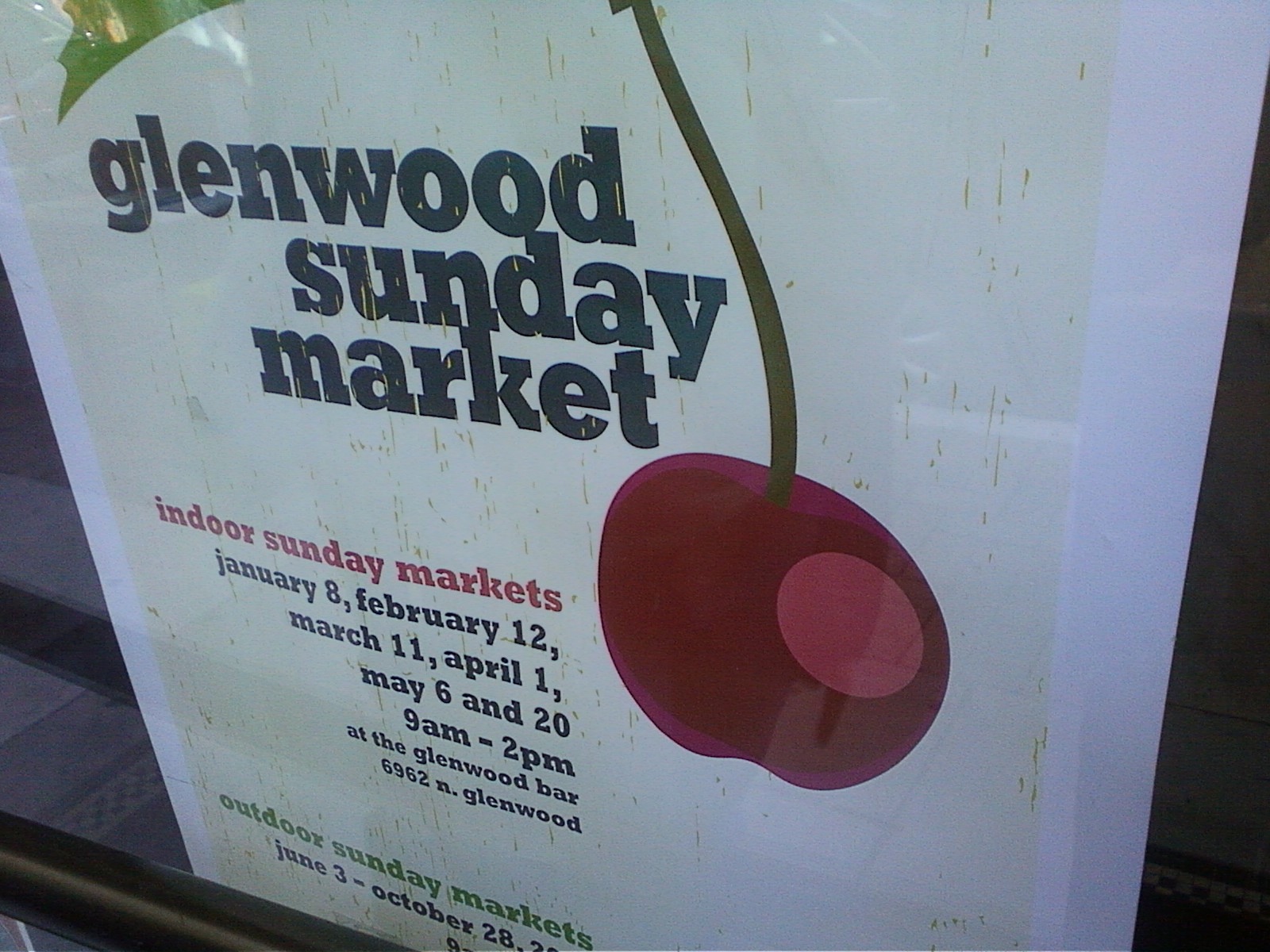
Chicago market location

I’d very much like to see this market in its full summer glory! The bricked block is where it’s held when outdoors… My friend who lives around the corner goes to it and enjoys it, but only goes to the outdoor summer market. Her reason? ” can’t get it together to make it to the indoor market, and I’m not sure I like it when markets are indoors…”

Huh.

20120516-195241.jpg

20120516-195259.jpg

“First ever food desert conversation about how to make this work”

Chicago- After the meeting, the mayor sat down for an exclusive interview with ABC 7 political reporter Charles Thomas. The mayor said his meeting with the chief executive officers of six of the nation’s largest food/grocery chains was historic.

“Never anywhere in the country. First-ever conference with a mayor, first-ever discussion about the food desert. First-ever discussion with anybody about how to make this work,” said Emanuel.”

First ever?
with anyone?
are you sure Mayor?
and why no mom and pop stores at that historic table?
or farmers?
These incentives- is this the new word for short-term subsidies aka tax breaks?

Chicago story

Certifications

The Chicago Green Market is adding a level of transparency to their markets. Starting this month, vendors will show their farm names, where they are located and what certification process they currently have passed. As many of you know, there is a wide selection of programs besides the USDA organic label that farmers can use. The Beyond Organic movement is growing, and it is quite possible that market vendors are more likely than industrial sector farmers to look for alternatives to organic; they have the ability to tell their own story to their shoppers which reduces the need for the complicated long work to get the USDA label.
And here are two points of view from the article that bolster my theory:
“GCM farm forager Dave Rand notes that it’s incredibly difficult, for example, to grow organic peaches in the Midwest because of pest and climate challenges. So a peach grower might opt for Food Alliance certification, which requires integrated pest management strategies that minimize pesticide use but allow it when necessary.”
“Three Sisters farmer Tracey Vowell said that she prefers the Certified Naturally Grown program because inspections are carried out by fellow farmers rather than certification inspectors. She finds this process fosters community and best-practices sharing rather than just requiring farmers to fill out paperwork.”