Tyler Ortego’s Big Idea is fighting coastal erosion with oysters

1) Food and environment should be linked more often.
2) I think my region will become ground central for innovation on coastal reclamation.
The work along the Gulf Coast to deal with the loss of habitat because of climate change and natural resource depletion could very well become a beacon for other coastal communities. I can tell you that we are here (at the intersection of the busiest set of ports in the Western Hemisphere by the way) and we will remain here as long as we can to find ways to mitigate the loss of land and food.

Some time take a look at the wetlands map of the coast of North America and estimate how much undeveloped land remains in the South that can be the start of reclaiming food and place.
Tyler Ortego's Big Idea is fighting coastal erosion with oysters | NOLA.com.

Growing populations and development along the coasts increase the vulnerability of coastal ecosystems to sea level rise. Development can change the amount of sediment delivered to coastal areas, worsen erosion, and remove or damage wetlands. For example, coastal Louisiana lost 1,900 square miles of wetlands in recent decades due to human alterations of the Mississippi River’s sediment system and oil and water extraction that has caused land to sink. As a result of these changes, wetlands do not receive enough sediment to keep up with the rising seas and no longer function as natural buffers to flooding. Rising sea levels could also increase the salinity of ground water and push salt water further upstream. This salinity may make water undrinkable without desalination, and harms aquatic plants and animals that cannot tolerate increased salinity. In the mid-Atlantic region, sea level rise is making estuaries more salty, threatening aquatic plants and animals that are sensitive to salinity.

Mo’ Money? No Problem.

IMG_1536

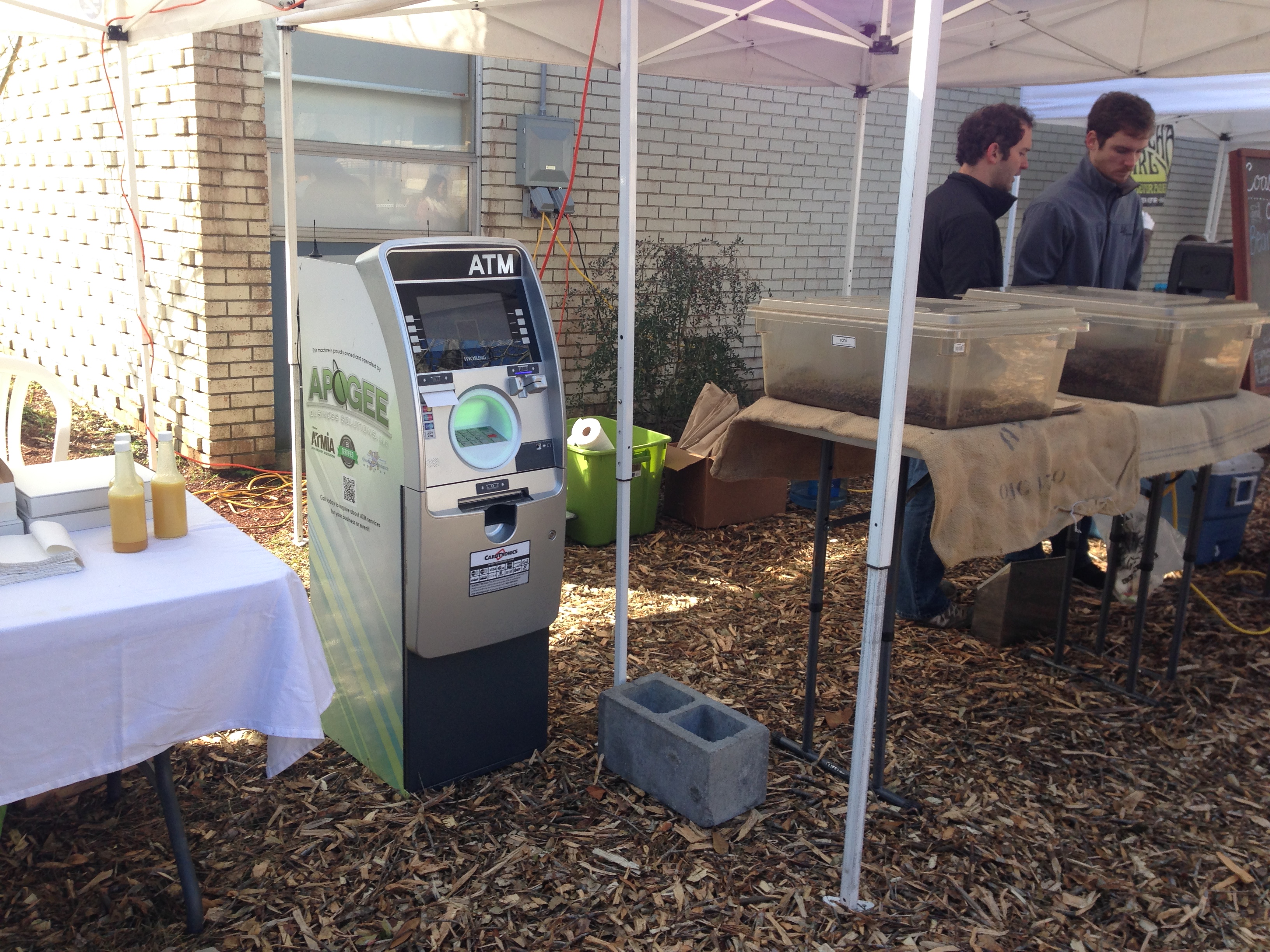
The picture is from my regular weekly, year-round Saturday market, founded in 1996 in the small town of Covington Louisiana, which is only 40 miles north of New Orleans but separated from it by Lake Pontchartrain and its 24 mile-long bridge.

The market is very ably run by sisters Jan and Ann, using very minimum staff hours but with enormous amounts of community buy-in. They have music scheduled every week, often have food trucks and during holidays have author signings or tasting events. The market has loads of seating, a permanent welcome structure with donated coffee and branded merchandise for sale. I tell you all of that to show how they balance the needs of the shoppers (by adding amenities that cannot be offered by the vendors) and the needs of their vendors (they keep the fees low by having less staff hours and carefully curate the products to showcase only high-quality regionally produced items), but also do their very best in their estimation to reduce their own wear and tear as staff.

To that end, they decided long ago to not participate in the same farmers market wireless machine/token system that we had in New Orleans; I had been the Deputy Director of that market organization and in 2006 or so had shared news of our emerging token and benefit program system with nearby markets in case they wanted to add the same; Covington told me then they didn’t see the need in their small town, even though they know and care about the large number of low-income people on benefit programs living nearby and do their best to offer a wide variety of price points and goods. I must confess that after our initial chat I was a bit disappointed by the lack of interest in expanding the reach, but soon realized this was an example of a particular type of market (rural niche) and the leadership was comfortable with the middle-class vibe they had certainly attracted. And I also realized a few years later that if they had been influenced by our complex system, it would have probably been a wrong move for the market at that time (more on that later.)

They knew, however, they at least needed the access for shoppers to get more cash and had asked the bank (a market sponsor) to have an ATM, and had also asked the municipality to add one (the market space is on city hall property), but couldn’t get anyone to move on the request. Finally, a 3rd party entrepreneur approached them to put one in and ta-daa, they finally have their ATM. It is moved in on Saturday morning and out again when the market is done, but the market will have a conversation soon with the mayor (a strong market supporter) about getting it there permanently. I was thrilled to see even that machine, as the nearest bank is blocks away and on far too many days I have grumpily got BACK in my truck to get more cash.

And in the days since those early rounds of proselytizing for (only) a centralized token/EBT/Debit system at every market, my own work has led me to the conclusion that instead there needs to be a suite of systems for markets to choose the appropriate version to process cards, rather than just the one system for everyone. Some markets can serve their shoppers with an ATM (some can own it, some can lease theirs and some can have a 3rd party offer the service like Covington), with some farmers having EBT/debit access on their own; some markets can use a phone-in system for EBT and have a Square on a smart phone at the market or farmer-level; some need the centralized system, but are figuring out electronic token systems; and yes, some do still need to bells and whistles of the centralized token system; and some markets need that system that is still developing, as technology continues to change to add more options for these systems.

What will help this multi-tiered system to happen is for markets to keep on sharing their ideas with each other and to gather data on why their system works for their community. That may be as simple as doing a regular Dot Survey/Bean Poll to ask shoppers about the interest in card use, or doing an annual economic survey like SEED, or asking their vendors on their annual renewal/application form about their use or projected use of card technology (you’d be surprised how many vendors already have Square or another version of it). And markets and vendors that do have the technology need to track the time and effort it takes to process cards and to build the entire system, which includes some outreach and marketing, and a significant amount of bookkeeping and share that information.

I keep gathering examples of innovation among markets and hope that sooner or later I (or other more able researchers) can be tasked with conducting in-depth research about those ideas to offer the market field a more comprehensive and dynamic view of all of the great ideas managed by our market systems. In the meantime, if you come to Covington your pajeon (warm Korean pancake) is on me; after all, I’ve got the cash.
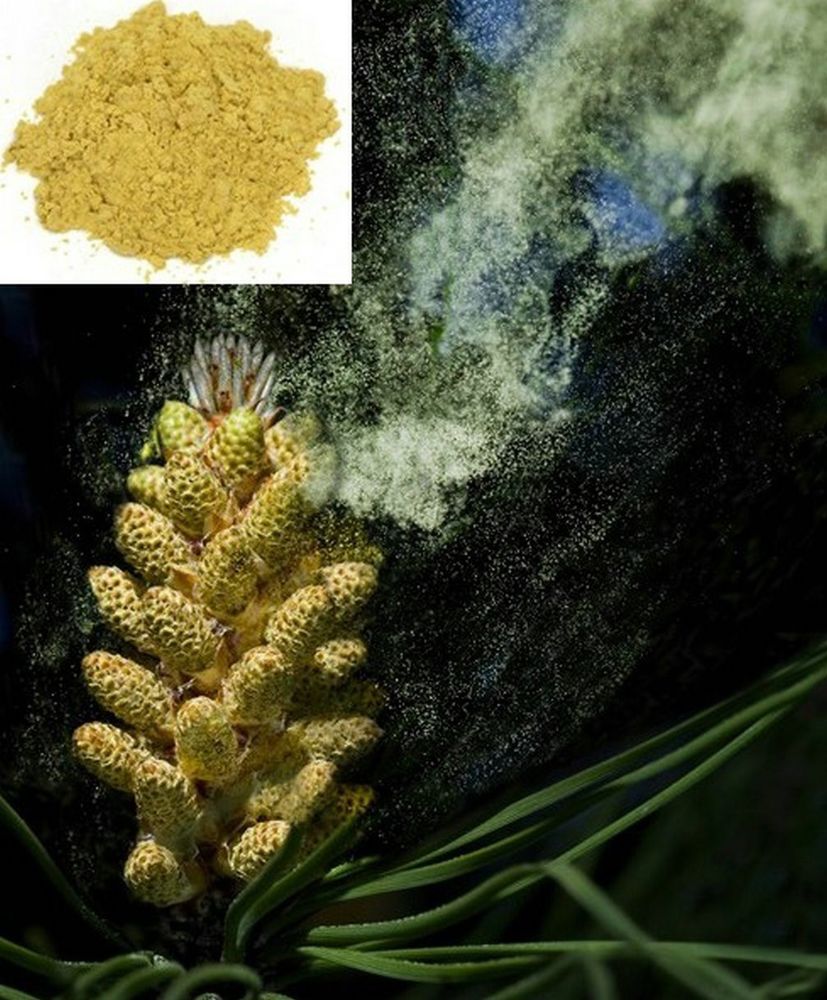
Pine pollen powder-newest product at my farmers market

My regular sprout guy Sam has really stepped up his game with more sprouts, coconut chips (amazing snack) and soon, tree pollen. This is pine country and so the amount of pine pollen that can be gathered is tremendous; Sam tells me he bags the branches and shakes away….Pine pollen powder is the most concentrated whole food source of testosterone.. Maybe he’ll soon bring other pine products too.

images.duckduckgo
The opportunity for constant expansion of creative seasonality among local entrepreneurs is one of the reasons farmers markets remain crucial to local food systems. Go tell it on the mountain folks.

Swamp Savior: Can a 72-Year-Old Inventor Rescue The Sinking Bayou?

Louisianians like this are my heroes:

“Pierce, however, would argue that swamp ingenuity is nothing new…
‘It’s in my nature to invent things,” say Pierce, a white eyebrow raised playfully as he explains that he’s never had any formal training as an engineer. “It runs through my blood.”

Louisiana Eats on seafood issues

Slow Food maven, radio host and author Poppy Tooker did a great show on seafood on Louisiana Eats: Gerard Maras (a giant among chefs in New Orleans) shared his boiling technique, Tenney Flynn who is still the best seafood chef in the French Quarter, talked about fish handling and finally Poppy and her guests discussed the ecological issues facing the harvesting community. Seafood is something Poppy knows a great deal about-she is a fisherwoman herself and one of the champions of fishing families in Louisiana and across North America.

Can you remember to mark “listen to Louisiana Eats” to your Saturday calendar? I’d recommend it.

The Ebb And Flow Of Louisiana Seafood | WWNO.

Connecting Students and Farmers—Still Trying | FoodAnthropology

This campaign (just down the road from me) has already done amazing work to get the conversation and the organizing started for regional products to be used in the Southeastern Louisiana University campus purchasing process; FYI-this university sits within a very active farming community and many of its farmers sell to nearby New Orleans outlets. The campus student group Reconnect and their academic advisor Dr. David Burley continue to offer as much information and to open as many communication channels as they can to assist Aramark in understanding what the campus wants, but to no avail. In response Aramark has deliberately undermined their efforts with their embargo against meetings and their”food giveaway” tactic! Using markets as organizing wedges can be the best way to keep the pressure on head-in-the-sand institutions; big props to the Reconnect students and to Dr. Burley for keeping these efforts going year after year. If you have any resources or ideas to assist their efforts to put pressure on Aramark, feel free to email them.

Connecting Students and Farmers—Still Trying | FoodAnthropology.

Book Review: Louisiana Eats

13328918-mmmainFull disclosure: Poppy is my pal. She is someone who calls me up and then shows up, with a gift, thoughtful questions and always hilarious stories.
What made me a fan of hers early on was her razor-sharp take on people and situations, sometimes devastatingly so. Yet she is enormously kind and open to those people who ring true. No one that receives her wrath  is ever underserving. If they get it, they usually have made one of two unforgivable sins: either they underestimated HER or they underestimated her city, her state or her people.

Another disclosure: I believe Poppy deserves as much credit as anyone in my region for rebuilding the New Orleans food system after the federal levee breaks in 2005. Too many stories to tell here, but come on over and if you care, I’ll tell you some of them over a drink. Or two. There are a lot of them to tell. Some of them are funny, some are sweet, some even a bit crazy.

These two points are linked since her life’s work is to actively promote entrepreneurs and real ideas that will build (or rebuild when necessary) the culture of her place, Louisiana. In doing that work, she extended her range to all authentic food systems across the globe through her Slow Food International connection that  meant that New Orleans gained the Slow Food vibe from the mid 1990s on.
Let me also say that most of the SFUSA folks understand her range, giving her much early credit for shaping the U.S. work that she built with others-that is, until she had to unleash her wrath on previous Slow Food leadership over the (mis) direction of a crucial program that she had helped shepherd. Luckily, she and SF made up.
Remember, I warned you that she is a fierce opponent when she feels it’s necessary.

When she started the Louisiana Eats show, she had already done a great deal of writing and television. Her talents really came to light when she began this show; her intense enjoyment and knowledge of the people and history of food and culture through one-on-one conversations on our local NPR station and now in this book. I remember a glorious Saturday morning on Louisiana Eats when she and Rien Fertel talked about praline sellers and another when she talked with Miss Linda Green, The Yakamein lady, and another when she talked with French bread baker John Gendusa among many others. Each time, I would stop what I was doing and literally stand there and listen intently to her intricate questions and always learn something. And her interaction with the dean of New Orleans Creole food, Leah Chase which is always touching and amazing since you get to hear two chefs with great respect for each other just banter and share stories.  And when she has on young activists or farmers (like Nick Usner who is in the book), you can hear the hope in her voice for the new energy coming along…
So this book is a reminder of many lovely Saturdays  and is indicative of the tone that I myself have adopted for much of my food activism: wild enthusiasm, critical assessment and a deep appreciation of the stories and background of those unique people that tell of our culture and food. Because of her, I know to seek them out, and maybe I’ll find some new folks from those Poppy has brought to us on her show and in this book. The book itself (lovely photos and recipes) is informative and a great companion to her show and I know that it will stand the test of time as a true record of some of the people that we have in our world. And of my pal who contributes so much to our place.

<a href=”http://www.goodreads.com/review/list/635646-blue-collar-mind”>View all my reviews</a>


Louisiana – New Cottage Food Law (August 2013)

Sales are limited to $20,000 per year

Cottage food operations don’t need to get a license from their health department, but they do need to check with their county to see if any zoning requirements apply to them.

Operations do not need to collect any state sales tax, but they may need to collect local sales taxes (it is different for each city and county).

Only food items in these categories are allowed:

Cakes, Cookies, Honey, Jams & jellies -Preserves.

Unlike most states, Louisiana allows custard and cream-filled bakery products.

Louisiana – Cottage Food Law.

Slow news today

SO glad that 2013 is finally bringing some good news to the national food movement.

VERY happy to see my New Orleans colleague (and old boss) Richard McCarthy hired as the new E.D. of Slow Food USA. His background is ideal for the job: born in Germany, raised in New Orleans, he spent his university time in the U.K. with his British grandparents. Since founding Crescent City Farmers Market in 1995, his extensive travel  (I wish I could find the picture of us at Terra Madre 2008 with our overall-wearing Mississippi farmer in tow) and his deep interest in world movements have continued to benefit the US farmers market movement. Honestly, there is no one that fits the SF job better in 2013; they now have a coalition builder, an outstanding visionary and a good guy.

Can’t wait to see what he can do up there.

Link to NYT story

RMC and New Orleans Slow Food Founder Poppy Tooker celebrating the combined Crescent City Farmers Market's 10th birthday (and iconic restaurant Commander's Palace's 105?)

RMC and New Orleans Slow Food Founder Poppy Tooker celebrating (well something else, not this news in this 2006 picture.)


The founder of SF USA, me and RMC at the Edible Schoolyard New Orleans first fundraiser.

The founder of SF USA, me and RMC at the Edible Schoolyard New Orleans’ first fundraiser.

University students use market to educate

Very proud of this initiative as it is in my region and I assisted slightly with it. The students have done a very solid job setting up the market structure, negotiating with the university and the hard work of reaching out to farmers and restaurants. Every one of the three market days (so far) has added a new piece; sometimes its been another farmer and sometimes it’s been some in-depth educational activity. In all cases, the farmers have benefited from good sales and the campus community is learning more about local food challenges and benefits.
No question in my mind that they are building the need and finding the partnerships to get healthy, local food at their university.
http://civileats.com/2012/07/17/the-challenge-of-real-food-at-a-southern-university/#more-15028

Random pictures only a market manager might love…

This slideshow requires JavaScript.

All of Louisiana declared an agricultural disaster area

Floods, drought and other nasty weather have made all of Louisiana — and 27 adjacent counties in Mississippi, Arkansas and Texas — an agricultural disaster area for 2011. The U.S. Department of Agriculture says its declaration is based on combined effects of severe storms, tornadoes, severe spring flooding, Tropical Storm Lee, widespread drought and excessive heat since Jan. 1.

Disaster story