Parallel plazas

Having just returned from Oakland California where I was attending the Community Food Security Coalition’s “Honoring Our Roots, Growing the Movement” Conference, I think of my daily walk through the Occupy Oakland plaza, on the next corner from our conference. I mentioned to my old boss at marketumbrella.org (as we visited on our way to eat at the vegetarian Vietnamese restaurant) that it looked like the post-Katrina public spaces, with blue tarps and kitchens positioned almost exactly as ours were. He looked startled as he recognized the truth of that, and then we both smiled as we remembered how we all began to build something together from those tents.
Our deja vu is shared by those that are not necessarily from New Orleans but that reside in the food movement. They also recognize the configuration. Food organizers have a slightly different feel about Occupy than our neighbors that toil in regular work; its because we’ve been in the Occupy movement for a while, waiting under the tents for the others to join us.
And as we see our Occupy family growing as more realize that wealth needs to be generated and shared differently than it is currently, and that democratizing decisions by spreading the power around and collectivizing needs is easier than it seems, we know that it is only the beginning.
I also think food organizers will become more radicalized and savvy about tactics through our sisters and brothers occupying those plazas (often near our pop up tent villages) while Occupy will become more excited about the possibilities in the ebullient community that we know how to build in the food system.
So, welcome.
Farmers helping Occupy

Drugstore shopping: Worse than you’d expect

On average, prices were 36% higher than supermarkets.

Drugstore shopping: Worse than you’d expect.

Seed and Cycle

As the movement grows robust, many shoots are growing from unlikely and likely places to support local place-based organizers of alternative food systems. I myself have become one of those, and the folks at Seed and Cycle are there too, offering smart resources for urban growing. Goals such as extending the growing season and soil building are imperative for small space farmers to utilize, but reading books alone will not give you the skills needed. Look for your version of Seed and Cycle in your community or, maybe, encourage a market volunteer or partner agency to start one.
Seed and Cycle

Market Map

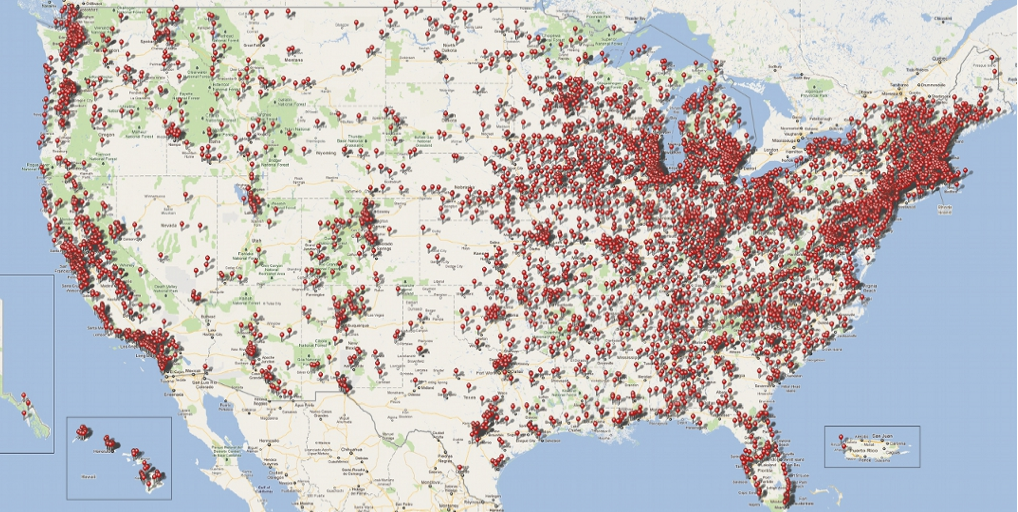
most recent map of farmers markets in US according to the USDA.

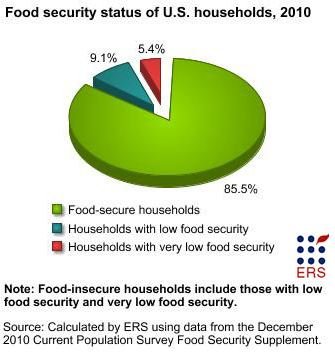
Good Graph Friday: Who’s going hungry


Immigrant farmers

“Mr. Kim, who witnessed mass starvation in Cambodia, losing a brother, refers to his two-acre plot as “my plenty.” His fellow farmer Sinikiwe Makarutsa grew up in Zimbabwe and now grows maize on land rented from a local church. She made enough money to buy a tractor and rototiller.”

NYT

We’re not buying it.

Watch the video and sign up to support the project:
Sign petition

Australian interview on markets

Australian farmers, Garry Stephenson Coordinator of the Small Farms Program at Oregon State University, Stacy Miller, Farmers Market Coalition Executive Director and Jane Adams, the Australian farmers market organization founder talk about the growth of farmers markets in both countries. The market movement in Australia has grown in their first 10 years to 150 markets nationwide and this interview examines the growth concerns in both countries. Jane Adams speaks well on the criteria Aussie markets employ and being able to “buy dinner” and on the size of the markets versus diversity of products. Australian organizers will be in the U.S. at the end of the month to share their lessons and will attend the Community Food Security Coalition conference November 5-8 in Oakland CA.

Australian farmers market interview

Competing for space

Story on competition in WI farmers markets

Are there too many markets?

A NYT article in Sunday’s paper reports on (and quotes some of our market leaders) on saturation worries with climbing numbers of markets and cannibalization of shoppers. Of course, its already true in some areas, but in my mind, only if we ignore the fact that, at best, we attract 1-5% of the population right now.
We can increase the number of markets if we continue to direct resources to increasing the number and type of farmers while we seek out groups of new “low-hanging fruit” of the next generation of shoppers.
In short, to improve we need to maintain balance of benefits while reaching new, often slightly less ready shoppers while holding on to our old faithfuls…

NYT

Food Sovereignty explained

Amazing article on actual food costs

I think there are great quotes and information in here for every market, every food system piece of writing you are doing…

Including this quote:

But alas, the gospel that better nutrition means more expense has taken on a life of its own. Everyone has heard it — and so everyone tends to repeat it. Perception becomes reality, so most people simply accept that good nutrition is economically disadvantageous. They then stop trying to eat better and simply propagate the urban legend.

Katz

Market Forces Report is released

Michigan: “UCS released the report just a few days before the 12th annual U.S. Department of Agriculture’s (USDA) National Farmers Market Week, which starts Sunday. According to the report, “Market Forces: Creating Jobs through Public Investment in Local and Regional Food Systems,” the number of farmers markets nationwide more than doubled between 2000 and 2010, jumping from 2,863 to 6,132, and now more than 100,000 farms sell food directly to local consumers.”

Source: Huron Daily Tribune

Download the report here:
Report

Anna Lappé: What Can You Do

As always, I post these in the hope that it will be useful for some of you to embed in your own websites or newsletters. Never doubt that different voices saying the same message will hit different audiences over time. So keep the message alive.