I did my best to advocate for the entire community food system in the comments.
How Should Local Food Get From Farm to Plate? | Health on GOOD.
I did my best to advocate for the entire community food system in the comments.
How Should Local Food Get From Farm to Plate? | Health on GOOD.
Increasingly,suburbia must be considered when food system organizers consider locations for projects: Not only are we seeing an increase in the diversity of those living there but unfortunately also an increase in levels of poverty in suburbia:
From 2000 to 2012 Kneebone says, “The number of poor residents living in suburban communities in major metros grew by 65 percent. That was more than twice the pace of growth in the major cities that anchor those regions, and with that rapid change we actually passed a tipping point for the first time. There are now more poor residents in suburbs than in cities.”
The possibilities for markets to bring healthy food to more people increase if we pay attention to this shift and utilize not only our cities and rural communities for markets but suburbs too.
Face Of Poverty In New Orleans Increasingly Suburban | WWNO.
“Several southeast Louisiana residents reported to WDSU that their SNAP EBT cards were not working Saturday…However, the department says there was a problem related to the company that maintains SNAP EBT card service for the state of Louisiana. They identified that company as Xerox.”
Also in MS:
MS EBT
(and of course, in more than a dozen more states)
What should be striking to markets is the reality that it takes a government shutdown for media to notice the problems with one of the three companies controlling 100% of the states SNAP sales.

Take a look at the pic on the left-see the red square? Within that square, the 18-year old Crescent City Farmers Market sets up every Saturday from 8-12, rain or shine. I can personally attest to the traffic snarl this morning before 10 am on the streets around there, with most people unaware that their usual leisurely drive to this mostly Monday-Friday neighborhood would be upended by another superimposed civic activity, namely this race which has been run for only the last five years. No up-to-date information is shared with the market organization more than a day or two prior to this race being run (and that is only found through media sites posting it), which limits the market’s ability to tell its vendors or shoppers ahead of time about what to expect. Yet interestingly, the race supports an extremely worthy cause- The Children’s Hospital in New Orleans.
Since this race begins at 7 am (with fast runners, then slower runners and finally walkers) it’s over mostly by 10:30 am. Therefore, it might be sensible to move the start time of the market for just this week. The market does change its hours for the last Saturday of the Carnival Season, as much of that day’s activities are centered a few blocks away and so the market closes early to allow its vendors to make it out before the nearby streets are closed for hours of parades.
Or, it might be sensible for the race organizers to simply move the beginning of the race from the long street along the top of the course map that is Poydras and instead run it along the river over there on the right. Or maybe run it on Sundays. There may be other answers to this annual conundrum that should be discussed since there are other events that often impede traffic to this 4-hour market.
The main issue is that the race organizers, the city and the business district do nothing to accommodate the market at this point and ignore its very long and important economic, social and civic role. Why?
Why indeed. Certainly this market organization is adept at working with its city and neighborhoods; MarketUmbrella is a recognized leader in making the case for why farmers and markets are important. So why the cold shoulder when it comes to events?
The issue may very well be in its actual history. This market sits in this area partly because when the founders searched for the best location, this area was not yet a defined neighborhood. The founders have often shared the fact that they chose it for the first of their four (post Katrina, 3) weekly markets partly to not have neighborhood opposition back in those early days of the mid 1990s, when markets were much less understood and so they expected some pushback on a weekly event from other potential areas.
It may also be within the way that the organization has worked with its city-very cordially and with some transparency-but since all of the markets have always operated on private property, with some distance between them.
It may have nothing to do at all with the market’s willingness to work with the civic leaders, but an inability in the city to understand the importance of this weekly activity and to see its role as encouraging it to grow and to sustain itself.
My gut tells me it is a bit of all of these, but maybe a lot of the last. Well maybe its more than just my gut, since I served this market as Deputy Director for a number of years and then as its Marketshare Director. Here’s what I know.
Making the case for your market is a full time job and will be on the to-do list for as long as your market exists. New events will pop up in previously barren areas, new mayors and other leaders will decide to ask for parking fees on Saturdays, developers will build grocery stores and restaurants next to your market and assume that using your empty lot for parking is their right. How markets become “beloved institutions” in their community has something to do with how well they play with others. How they deal with external pressures also says a great deal about market organizations’ resilience and professionalism. The way that you can accomplish that goal is varied. You may create a feedback loop so as to activate your shopping base to be constantly making your case for you, or you may begin to work more closely with your elected officials over time to help them understand why they need you or you might simply move to another location that needs your market to anchor that area’s renaissance. In all these and more possible scenarios, the main actor should be the entity that runs the market since its the one that must handle situations like these in a way that allows sales to continue and mitigates the uncertainty for its community. By the way, I have written about markets and municipalities before here.
Check out the “Big Easy Peel” event, a satsuma-peeling event starting at 11:30am on Oct. 24th at the Washington Artillery Park across from Jackson Square! Dr. DeSalvo, the health commissioner of New Orleans, will be there to speak and endorse Food Day. There’s more information about the event here: We’re looking to invite as many people as possible, so please spread the word!
Updated:
CHANGED to Thursday October 17th at at 1 pm Eastern (12 pm Central, 11 am Pacific)
FMC is hosting a FREE webinar at 4:00pm ET on October 15 to explain how the proposed rules will affect farmers markets and direct marketing farmers, as well as how to submit comments to make your voice heard. Market managers, farmers, and customers are encouraged to attend! Register today!
Additionally, NSAC will host a webinar on October 10th for all audiences. They’ll go over the rules more broadly, and provide instruction on how to submit comments. All FMC members are welcome to join either or both webinars. Register for NSAC’s here.
Help us spread the word and #fixFSMA!
FDA is proposing standards that undermine sustainable and organic production practices, subject many farms to regulations designed for industrial facilities, and may well prove too costly for farmers to implement and stay in business. The top ten major issues with the rules are found here:
This market is one of my favorites as, while it was being renovated, I was a poor community organizer in the 1980s in Columbus and I would walk from my office to the market to get healthy food and to soak in the lovely vibe. The renovated site also hosts an outdoor farmers market on Saturdays and sits within a revitalized area that encourages visits to this previously barren area. The value of being able to sit in a sunny, bustling place for a leisurely lunch and recharge one’s batteries is something market halls especially can offer their neighbors and they should be celebrated for that.


The National Center for Appropriate Technology (NCAT) is seeking a full-time Midwest Regional Director to direct work in their Des Moines, Iowa, office. The right candidate will serve as a sustainable agriculture or agriculture marketing specialist and will direct program work in their Midwest Regional office.
To see the full position description, qualifications and application process visit: https://www.ncat.org/midwest-regional-director/
Hurry – deadline to apply is October 13th!
NCAT is a private non-profit organization that works to foster and promote sustainable technologies and systems, especially for the benefit of economically disadvantaged individuals and communities.
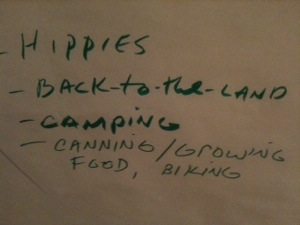
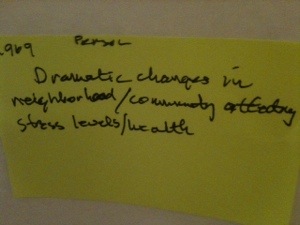
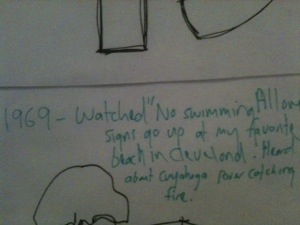
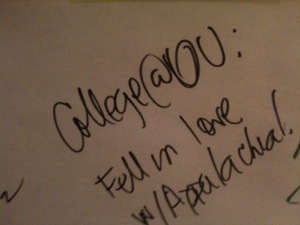
One of the activities that the group has done at the Sustainability Conference in Cleveland is to tell the story of both personal and municipal transformation through moments lived and remembered. This is the earliest time period (1969-1989) on the personal transformation wall. This is another idea that food organizers may want to use when working with communities. How wonderful to ask them to think about how and and when healthy regional food became important to them.




The first of three public markets that I will be visiting this week across Ohio.http://www.findlaymarket.org/
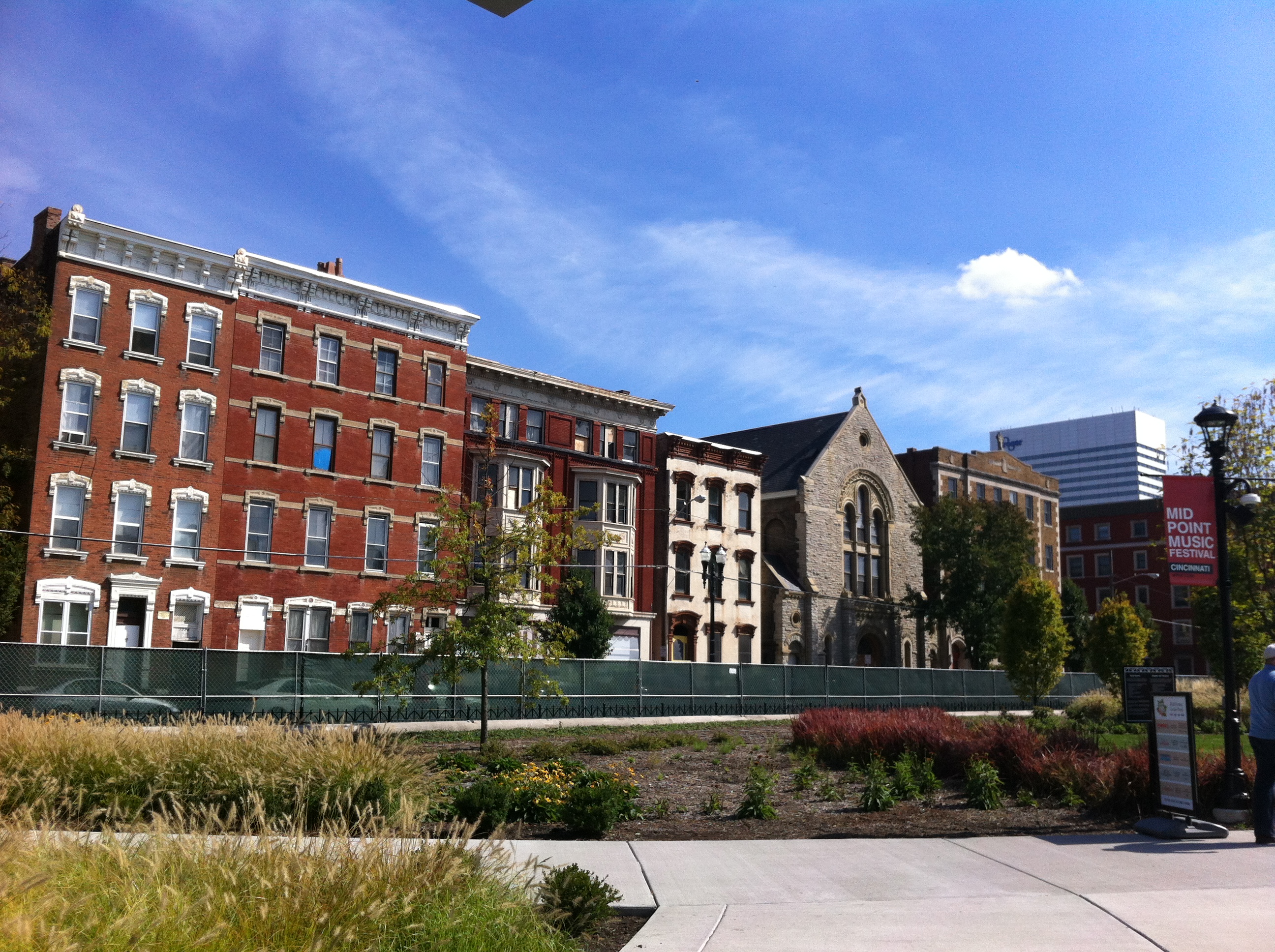
Lovely Over-the-Rhine neighborhood in Cincinnati, the largest collection of Italianate buildings in the US.

brunch restaurant in Over-the-Rhine neighborhood, close to Findlay Market.
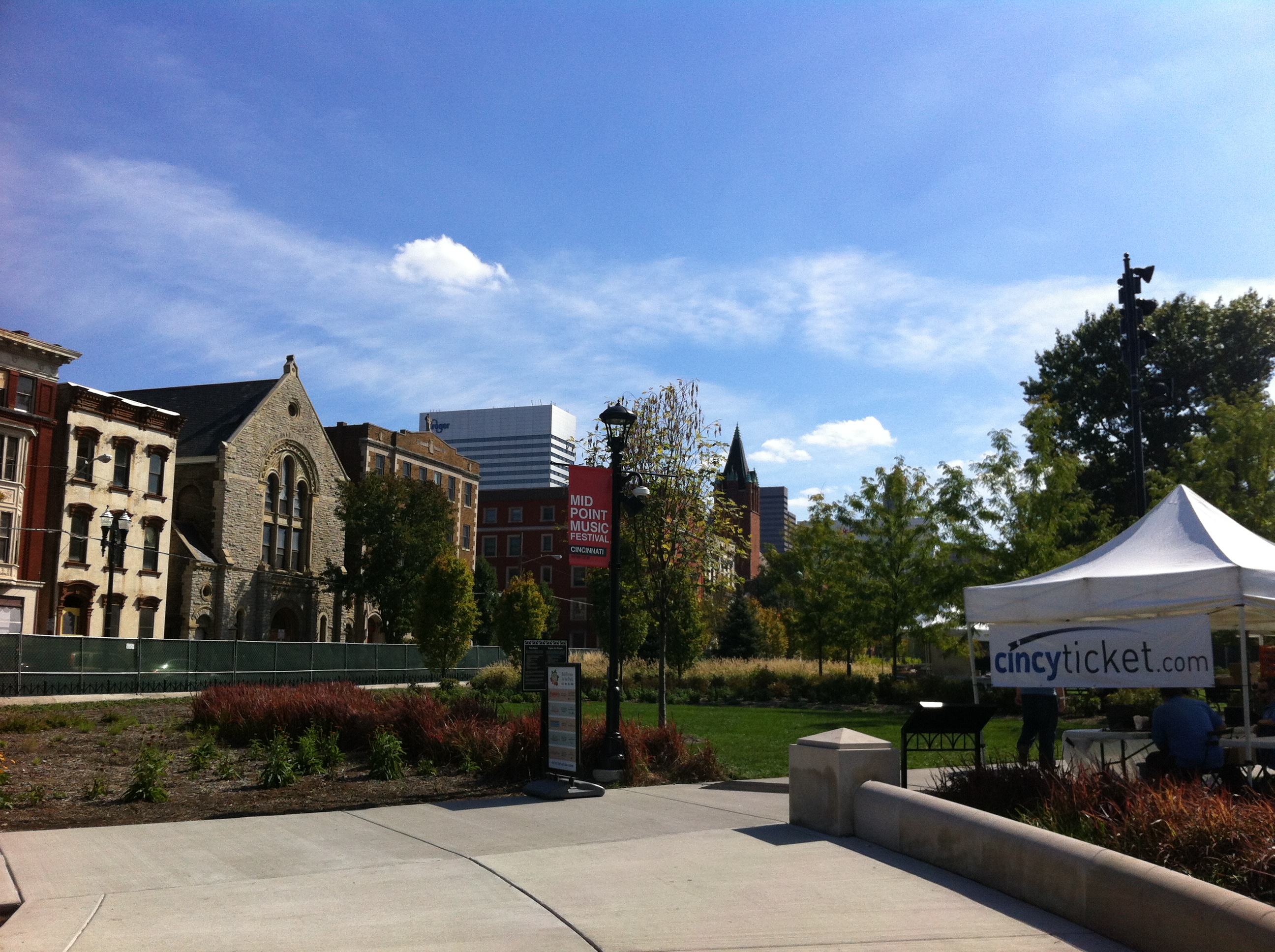

Seating at Findlay Market
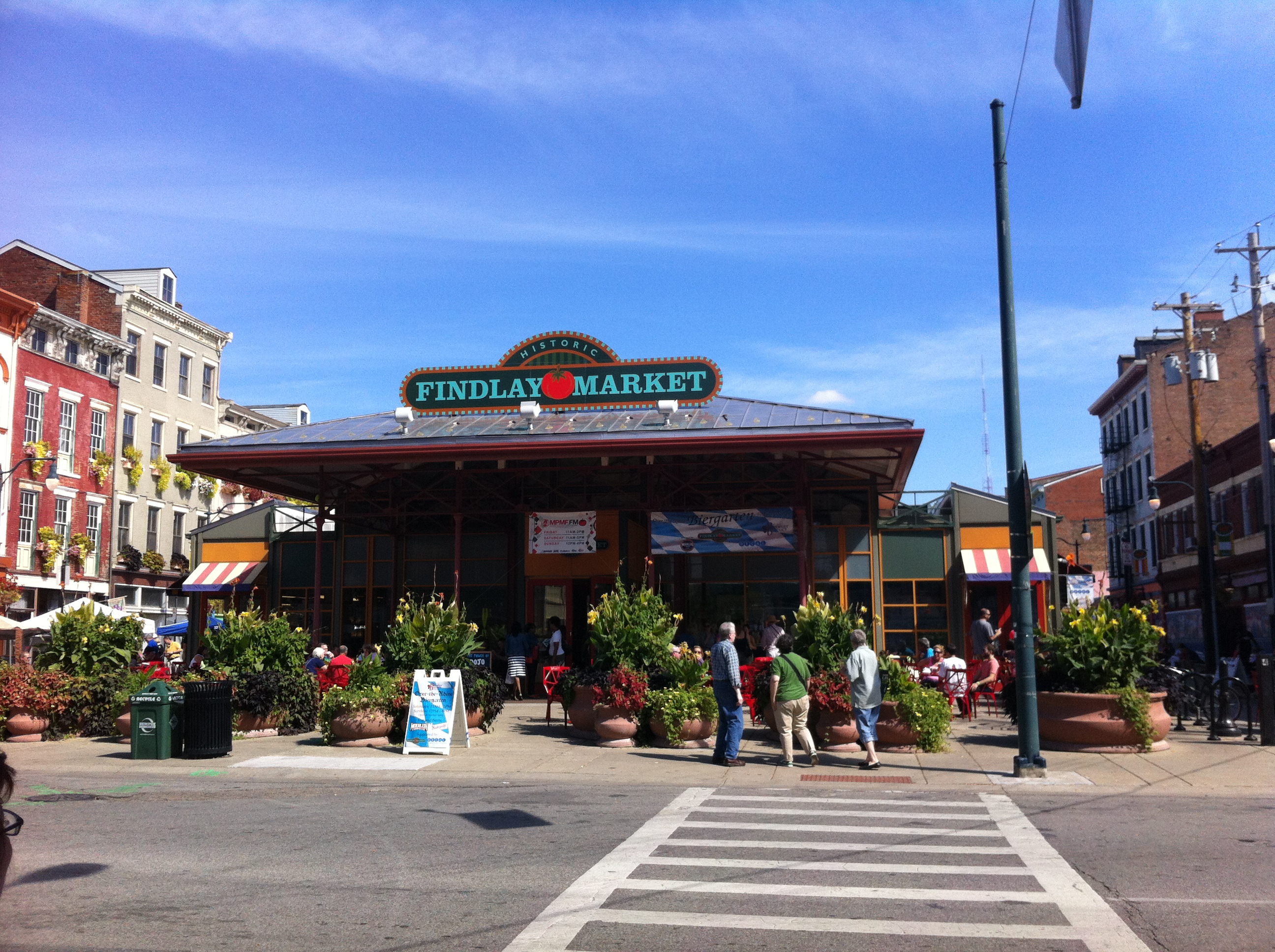
Welcome to Findlay, Ohio’s oldest public market.

Around the corner from the market
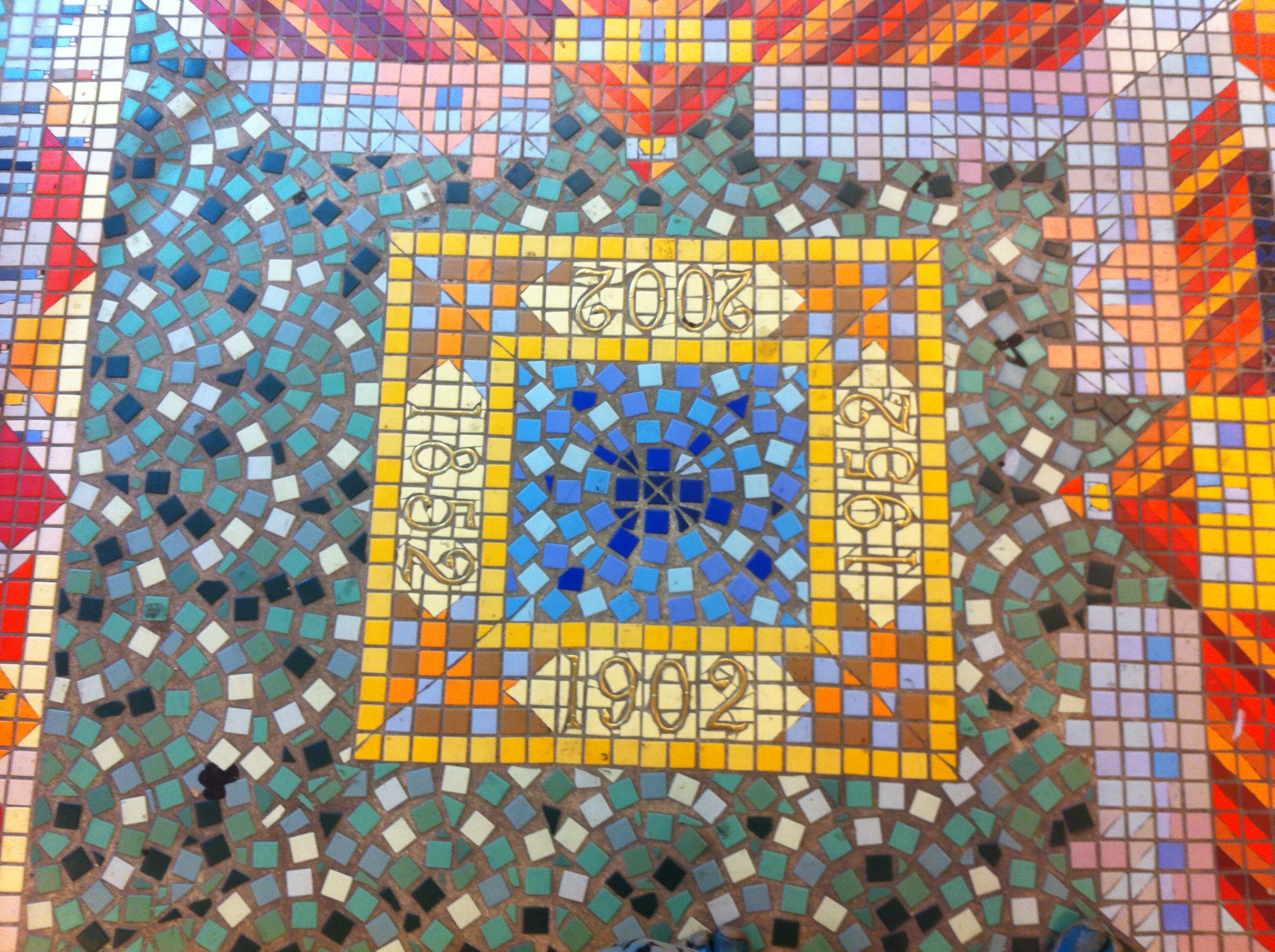
Mural at the Market
Here at the Cleveland Sustainability Summit looking through their “Sustainability Dashboard”:
Local Food Accomplishments for 2013 include:
Growhio planning a follow up summit in February of 2014 to identify critical gaps in the local food economy
Menu For The Future grants and courses have supported canning workshops and offered funding for activities at City Rising Farms in Hough.
Community Kitchen Incubator Forum held to celebrate the launch of many incubator and certified kitchens in the area.

Show some support to Farmers Market Coalition and this necessary project:
America’s 8,000 farmers markets are bringing huge health benefits to their communities, often with little cost, structure, or support. Collecting accurate data on these grassroots organizations is imperative if we’re to maximize their impacts.
Here is an interesting link that came to me through the smart people at Food Tank.
An online site to help farmers sell the produce at “come and get it” prices that is not sold through their marketing outlets.
Just a musical moment for my readers.
Market Place
The consumer, they call us, we’re the people that buy
While everyone else is out to sell, some kind of merchandise
We run to the boss and tell him, we need a bit more gold
Some tax deductions later, and we still wind up in the hole.
Chorus:
Oh, yes we are the people running in the race,
Buying up the bargains in the old marketplace,
Another sale on something, we’ll buy it while it’s hot
And save a lot of money spending money we don’t got.
The consumer they call us, we always get a fair shake
We buy a fridge that doesn’t freeze, and a stove that doesn’t bake
We can’t buy nothing lasting ‘les we get that raise in pay
And they’d only charge more for the things that cost us less today
The consumer, they call us, we’re fussy what we eat.
We look at the price of the T-bone steak, and buy hamburg meat-
In all those fancy packages they take down from the shelf-
They’re always full of good fresh air when they’re not full of nothing else.
Chorus:
The consumer they call us, when the man comes in the door
To give us a deal on the vacuum, if we buy a rug for the floor
And how do we pay to finance? When the monthly bills arrive?
They just send down the bailiff to repossess the car we drive…
The consumer is what they call us, we’re always deep in debt.
From buyin’ drawers in discount stores to fixin the T.V.set.
We go to the bank for the money, and sign for another loan,
And pray the Lord doesn’t see us stop in the tavern half-way home.
Chorus: repeat:
 Helping Farmers Markets Grow