The New Food Safety Rules are Bad for Farms and Food » Farmers Market Coalition

Updated:

CHANGED to Thursday October 17th at at 1 pm Eastern (12 pm Central, 11 am Pacific)

FMC is hosting a FREE webinar at 4:00pm ET on October 15 to explain how the proposed rules will affect farmers markets and direct marketing farmers, as well as how to submit comments to make your voice heard. Market managers, farmers, and customers are encouraged to attend! Register today!
Additionally, NSAC will host a webinar on October 10th for all audiences. They’ll go over the rules more broadly, and provide instruction on how to submit comments. All FMC members are welcome to join either or both webinars. Register for NSAC’s here.
Help us spread the word and #fixFSMA!
FDA is proposing standards that undermine sustainable and organic production practices, subject many farms to regulations designed for industrial facilities, and may well prove too costly for farmers to implement and stay in business. The top ten major issues with the rules are found here:

Farmers Market Coalition» Blog Archive The New Food Safety Rules are Bad for Farms and Food » Farmers Market Coalition.

North Market, Columbus OH

This market is one of my favorites as, while it was being renovated, I was a poor community organizer in the 1980s in Columbus and I would walk from my office to the market to get healthy food and to soak in the lovely vibe. The renovated site also hosts an outdoor farmers market on Saturdays and sits within a revitalized area that encourages visits to this previously barren area. The value of being able to sit in a sunny, bustling place for a leisurely lunch and recharge one’s batteries is something market halls especially can offer their neighbors and they should be celebrated for that.

North Market

NCAT position available

The National Center for Appropriate Technology (NCAT) is seeking a full-time Midwest Regional Director to direct work in their Des Moines, Iowa, office. The right candidate will serve as a sustainable agriculture or agriculture marketing specialist and will direct program work in their Midwest Regional office.

To see the full position description, qualifications and application process visit: https://www.ncat.org/midwest-regional-director/

Hurry – deadline to apply is October 13th!

NCAT is a private non-profit organization that works to foster and promote sustainable technologies and systems, especially for the benefit of economically disadvantaged individuals and communities.

Findlay Market pictures

The first of three public markets that I will be visiting this week across Ohio.http://www.findlaymarket.org/

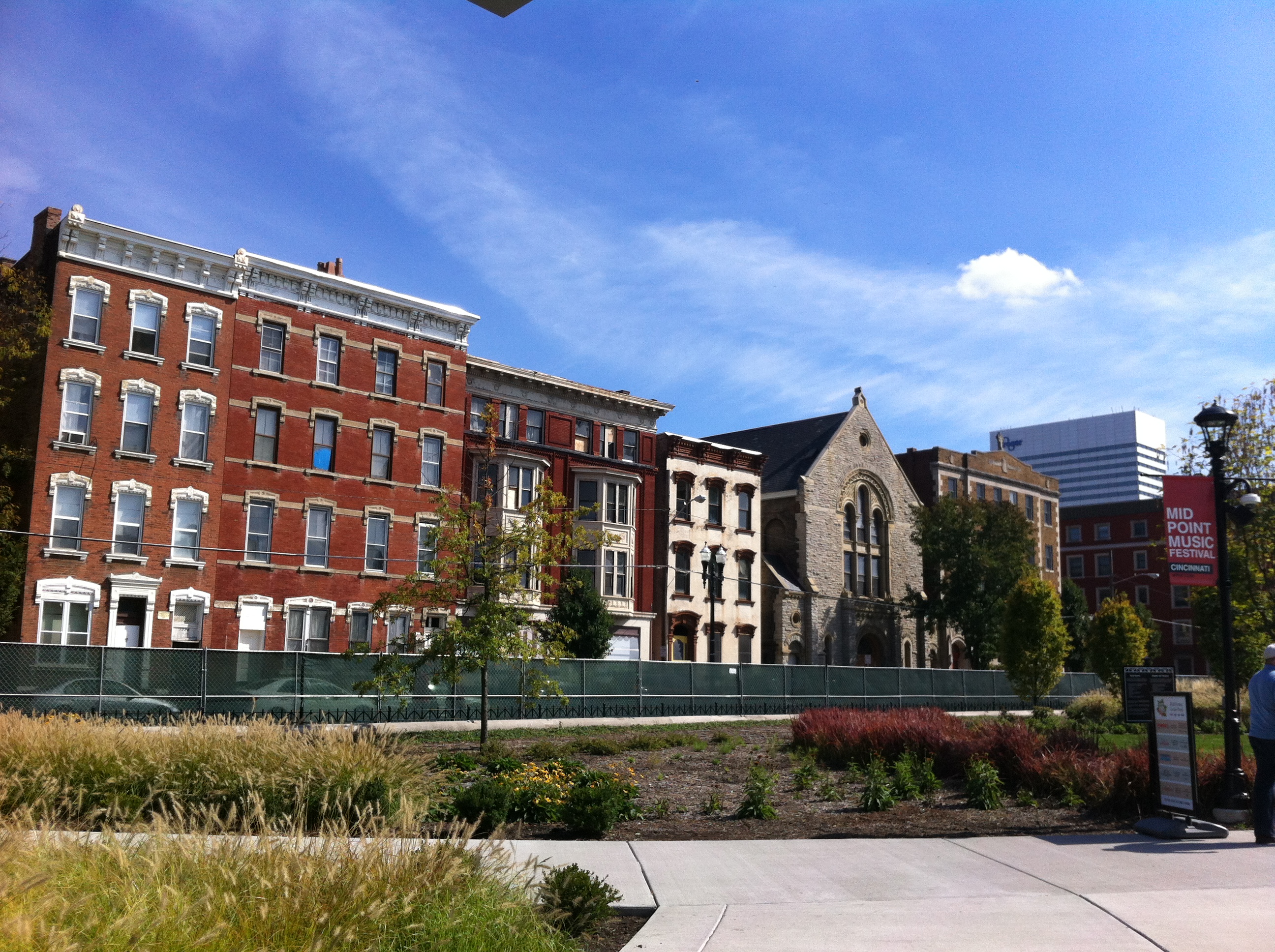
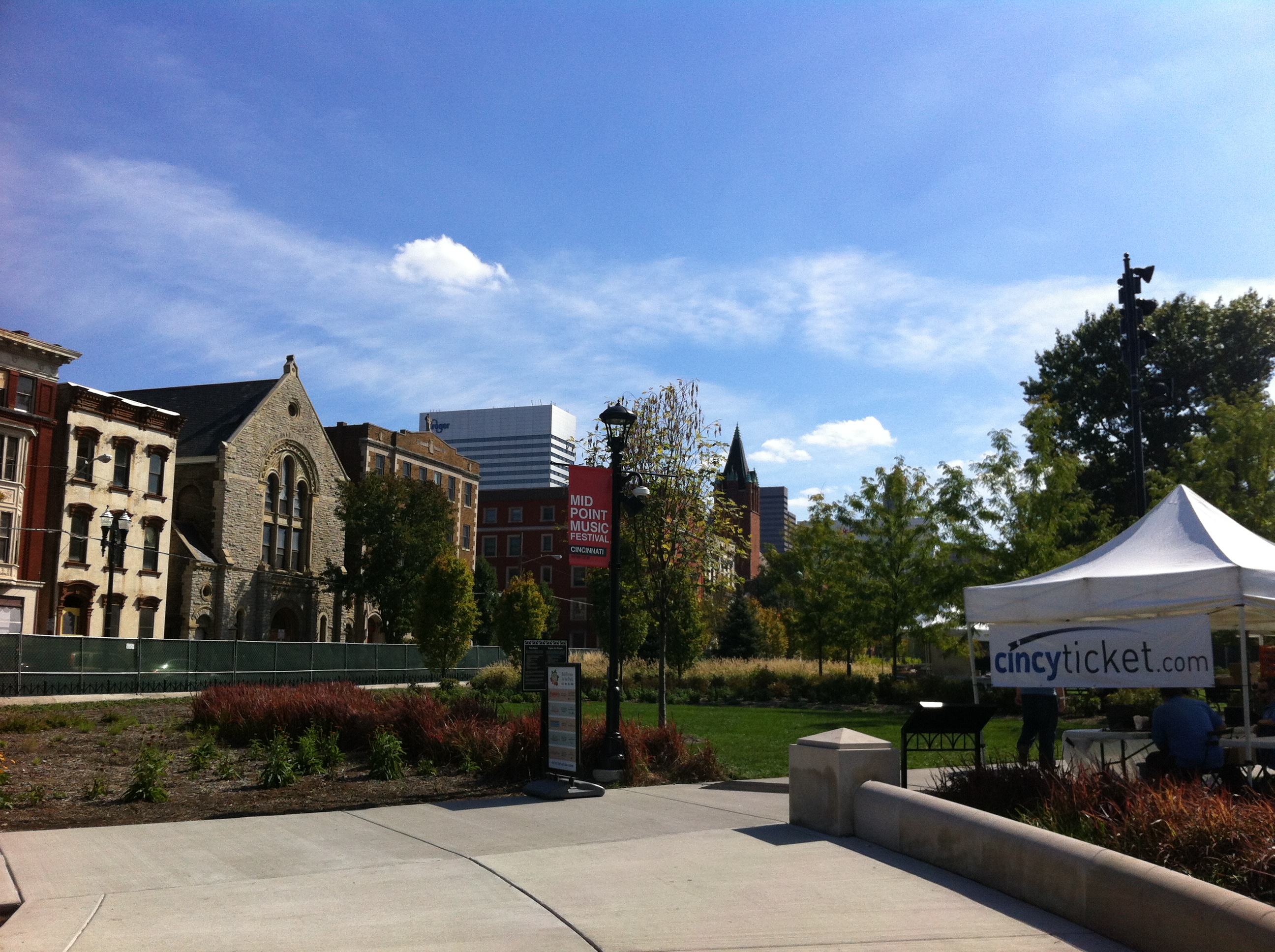
Lovely Over-the-Rhine neighborhood in Cincinnati, the largest collection of Italianate buildings in the US.

Lovely Over-the-Rhine neighborhood in Cincinnati, the largest collection of Italianate buildings in the US.

Belgian brunch restaurant in O-t-R neighborhood, close to the Findlay Market.

brunch restaurant in Over-the-Rhine neighborhood, close to Findlay Market.

O-t-R
Seating at Findlay Market

Seating at Findlay Market

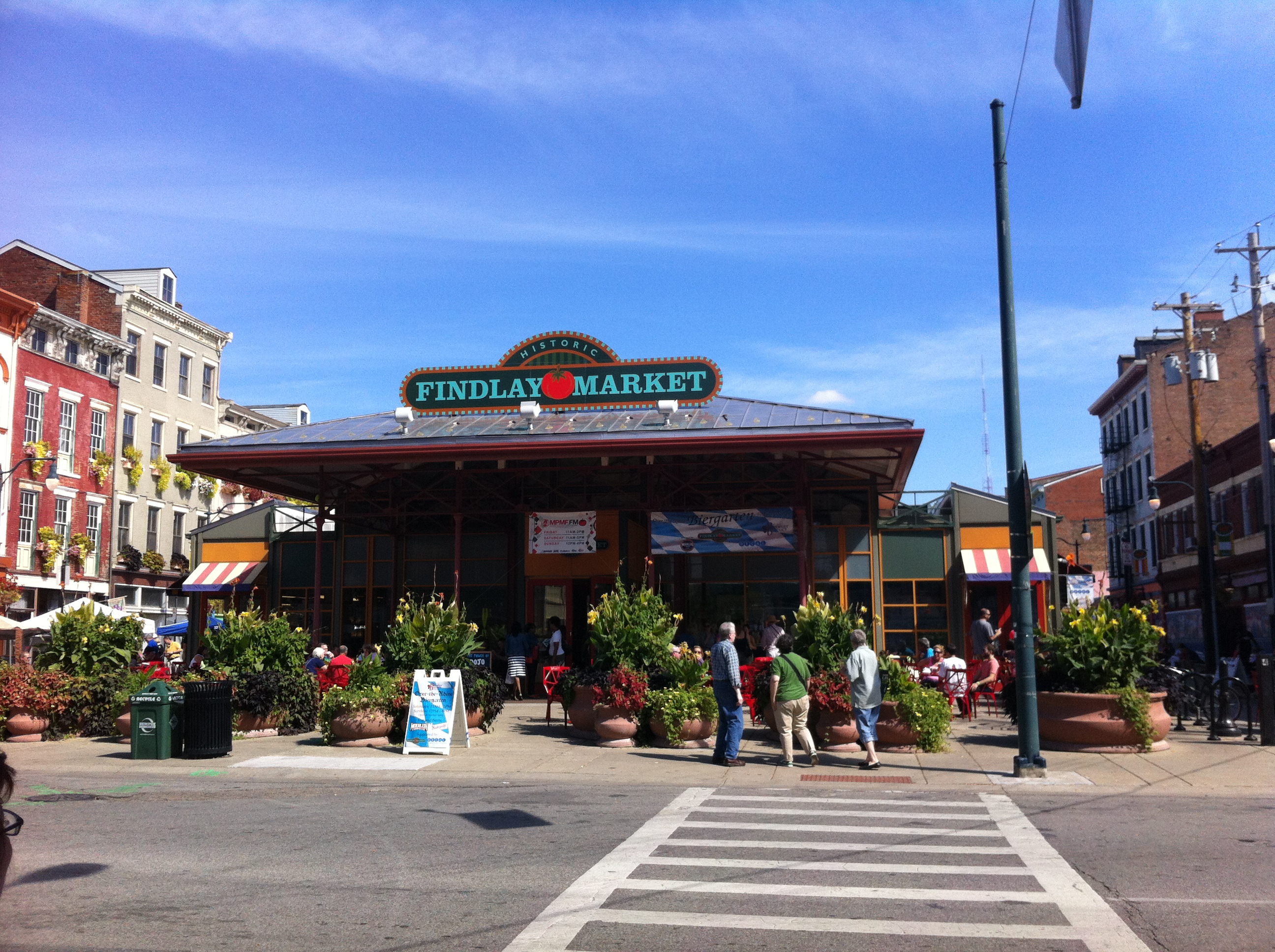
Welcome to Findlay, Ohio's oldest public market.

Welcome to Findlay, Ohio’s oldest public market.

Around the corner from the Findlay Market, Cincinnati's Public Market

Around the corner from the market


Mural at the Findlay Market

Mural at the Market

Sustainability summit

Here at the Cleveland Sustainability Summit looking through their “Sustainability Dashboard”:
Local Food Accomplishments for 2013 include:

Growhio planning a follow up summit in February of 2014 to identify critical gaps in the local food economy
Menu For The Future grants and courses have supported canning workshops and offered funding for activities at City Rising Farms in Hough.
Community Kitchen Incubator Forum held to celebrate the launch of many incubator and certified kitchens in the area.

20131003-081905.jpg

Market Metrics: Measuring and Communicating the Health Impacts of Farmers Markets

Show some support to Farmers Market Coalition and this necessary project:

America’s 8,000 farmers markets are bringing huge health benefits to their communities, often with little cost, structure, or support. Collecting accurate data on these grassroots organizations is imperative if we’re to maximize their impacts.

News Challenge

CropMobster™ | How It Works –

Here is an interesting link that came to me through the smart people at Food Tank.

An online site to help farmers sell the produce at “come and get it” prices that is not sold through their marketing outlets.

http://www.cropmobster.com/category/deal/

Under the heading: Things I bet your market has not dealt with yet

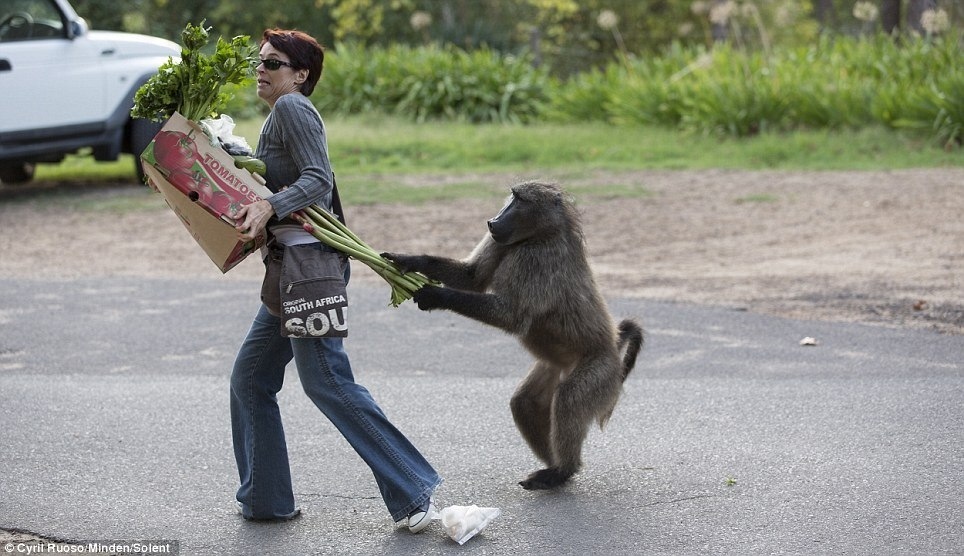
Baboon ambushes woman at Cape Town farmers’ market

The baboon sat and waited patiently for an easy target leaving a farmers’ market in Cape Town, South Africa.
He then made his move, and boldly strode up to a shopper and robbed her in broad daylight of her rhubarb.
Unimpressed with his haul, he then went back a second time, this time stealing an avocado.
The protected species is a growing problem for Cape Town citizens, some even raid their homes.
There are now 500 baboons living in the city and their food gathering tactics are getting more daring. The chacma baboon patiently waits for people to leave the farmers’ market where fresh vegetables are on sale.

20130920-215719.jpg

Waste not

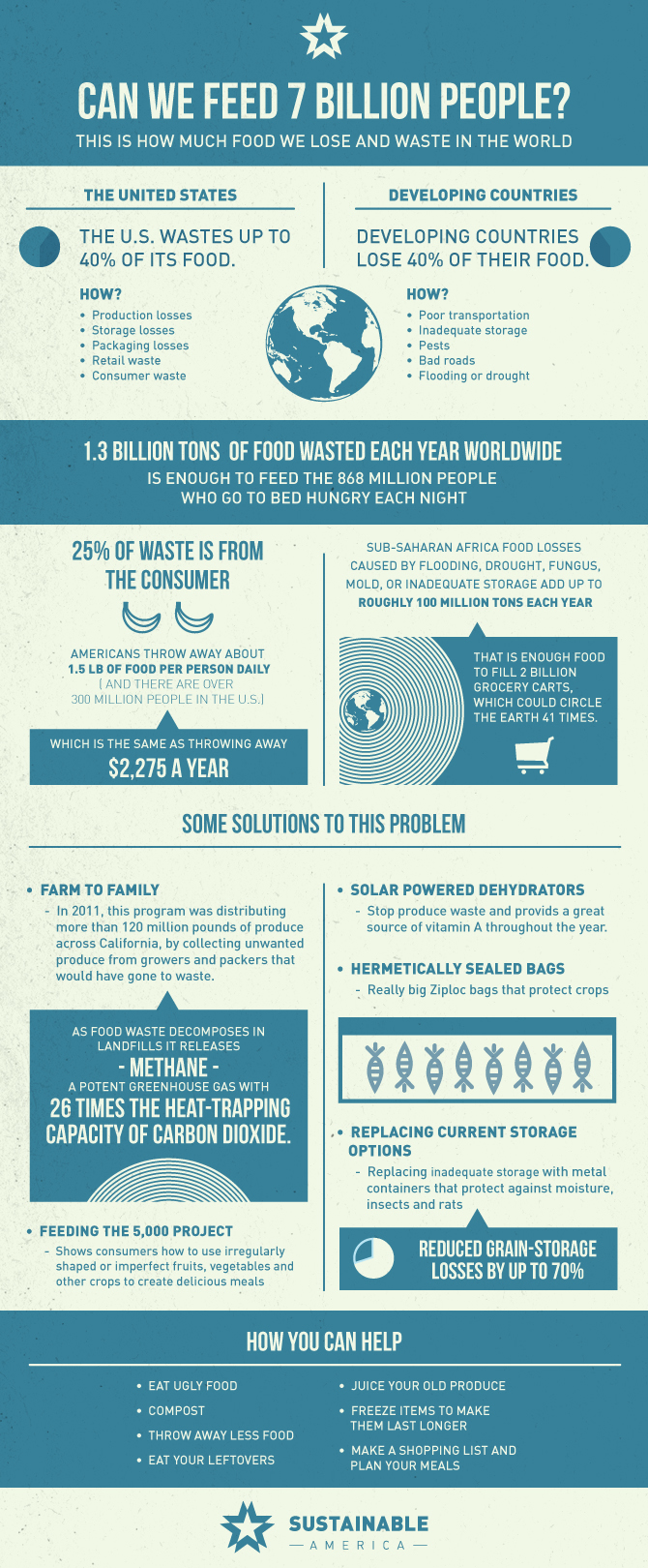
40% of our food is wasted; 25% is wasted by the consumer. Great points to share with your community.


Tackling_Food_Waste_Crisis

Sustainable America

National 2013 Food Hub Survey-NFGN

Authored by Michigan State University Center for Regional Food Systems & The Wallace Center at Winrock International
From the Executive Summary:

Findings from the survey showed that food hubs across the country are growing to broaden the distribution infrastructure for local food. From the survey, 62% of food hubs began operations within the last five years, 31% of food hubs had $1,000,000 or more in annual revenue and the majority of food hubs were supporting their businesses with little or no grant assistance—including food hubs that identified as nonprofits. Financially, the most successful food hubs tended to be for-profit and cooperative in structure, in operation for more than 10 years and working with a relatively large number of producers. The values-based nature of food hubs makes it hard to judge many of them solely on their level of financial success.
The survey also revealed a number of persistent challenges and barriers to growth that even the most financially successful food hubs faced.
For example, many food hubs indicated their needs for assistance in managing growth and identifying appropriate staffing levels for their hubs. They also often pointed to their need for capital and other resources to increase their trucking and warehousing capacity.

NFGN Report

Richard McCarthy and Poppy Tooker at CCFM event circa 2003 or 2004

Richard McCarthy and Poppy Tooker at CCFM event circa 2003 or 2004

A fascinating interview with Richard McCarthy,  one of the founders and the first Executive Director of Market Umbrella and therefore of the Crescent City Farmers Market, Festivus (the fair trade holiday market), Market Match, Marketshare and so many other initiatives devised and run by this disciplined little NGO in New Orleans. This interview was done as McCarthy was leaving for Brooklyn for his new job as Executive Director of Slow Food USA and so is important as a record of the people and ideas that were in place when he devised the groundbreaking work that many of us proudly did under his direction.

Poppy Tooker has been a deep supporter of the organization and as she says, remains a close friend of Richard’s. There is so much detail in this interview about the history of the organization in those days when we existed as a project of Loyola University’s social justice center Twomey Center.

To hear a market founder talk about the plans and dreams of his work and how it was put together seems useful to anyone embarking on their own version.

The Importance of Being Slow

Sustainable Ag Trainings in the Deep South

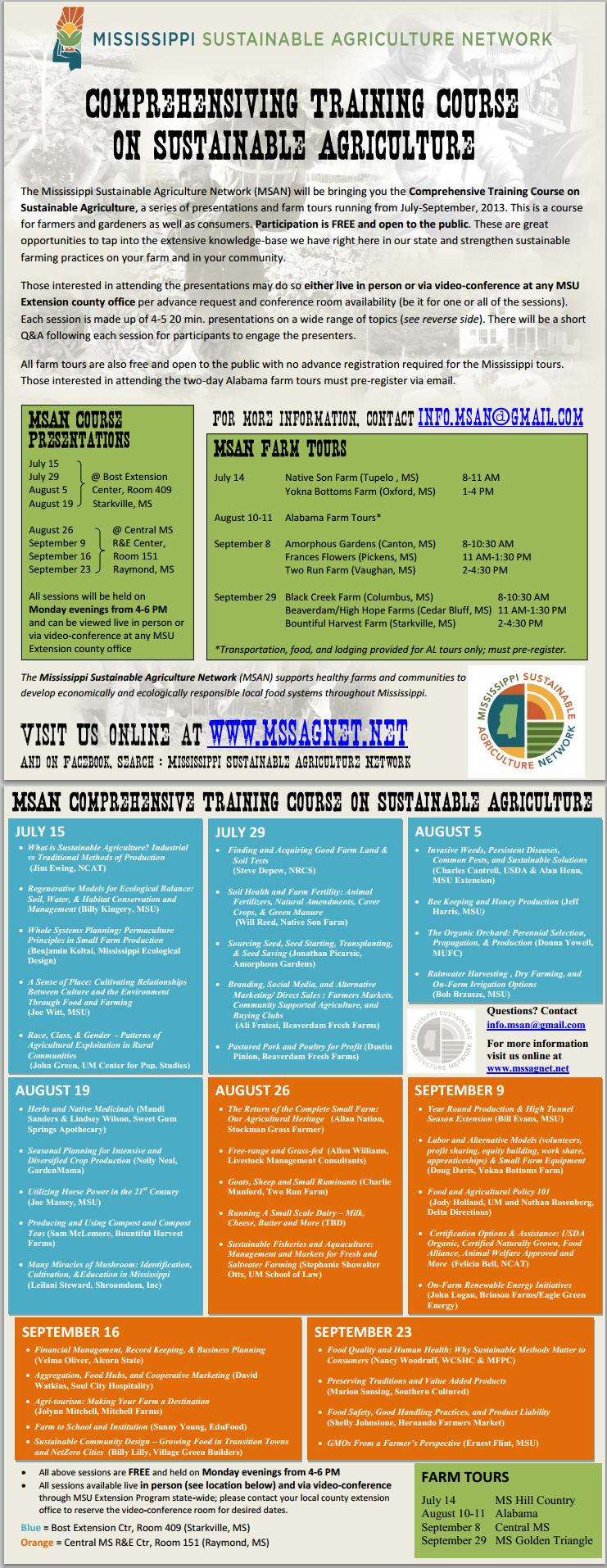
Mississippi Sustainable Agriculture Network's trainings-2013

Mississippi Sustainable Agriculture Network’s trainings-2013