Organic Living at the Gardens of Eagan

The link at the bottom of this post is to an extraordinary book excerpt about the physical and emotional effects of a hailstorm by the owners of one of the first certified organic farms in the Midwest. As a market organizer that has been through my share of disaster and recovery spells, I can tell you that concern and awareness quickly fades among those not immediately affected long before the producers actually completely recover. You can see that in the annoyance on shoppers faces two or more seasons later when they inquire about their favorite products and are told that the farm is not ready to return. You can see the lack of empathy on legislators faces when they are asked what is to be done for small family farms or boats to help them rebuild. Truly, the aftermath of any disaster on any community food production needs to be shared more widely and for longer periods than it is usually.

In this passage from her book, the farmer explains beautifully what happens both to the people and the plants of her farm; the depth of emotion is naked and exposed:
This is just wrong. June is supposed to be bursting green and lush, the bounty of the universe in full evidence. This is squalor and violence. Instead of spring-fresh, the air is a stench of decay and rot. I can intellectualize. No one is hurt. We won’t starve, go broke, or lose the farm. Many plants will recover. But when I stop distracting myself and notice how I feel, I am vulnerable and exposed, like I have been beaten by a merciless sky and left to survive on my own wits. I know this is just emotion, but I feel completely isolated despite so much support. I look for reality. I know it’s out there somewhere. I can’t see it. I don’t understand the purpose. Maybe there is none. Maybe hail just exists.

Read more: http://www.utne.com/food/organic-living-gardens-eagan-ze0z1311zjhar.aspx#ixzz2jydgjt00

Organic Living at the Gardens of Eagan – Food – Utne Reader.

World’s first Bitcoin ATM goes live in Vancouver next week – Business – CBC News

The food system world needs to pay more attention to these digital currencies, like bitcoin. The time and effort it is taking to figure out which emerging technologies and systems of reimbursement and the corresponding risk levels will work for a market may very well be straining the small businesses of our movement. People like Jeff Cole in Massachusetts are piloting ideas such as “electronic token systems” and lucky for all of you, I wrote about this in my Vermont Market Currency Report found on page 28 in the conclusion of the report.

World's first Bitcoin ATM goes live in Vancouver next week – Business – CBC News.

The 25% shift

I am just finishing up a commentary for an online magazine in my original home of Cleveland, Ohio and to remember some details, I pulled out the Michael Shuman report “The 25% Shift: The Benefits of Food Localization for Northeast Ohio & How to Realize Them” that he and coauthors Brad Masi and Leslie Schaller completed for the Northeast Ohio food community and its municipal partners. I find it informative and ambitious.

From the summary:
The following study analyzes the impact of the 16-county Northeast Ohio (NEO) region moving a quarter of the way toward fully meeting local demand for food with local production. It suggests that this 25% shift could create 27,664 new jobs, providing work for about one in eight unemployed residents. It could increase annual regional output by $4.2 billion and expand state and local tax collections by $126 million. It could increase the food security of hundreds of thousands of people and reduce near-epidemic levels of obesity and Type-II diabetes. And it could significantly improve air and water quality, lower the region’s carbon footprint, attract tourists, boost local entrepreneurship, and enhance civic pride.
The more than 50 recommendations would be helpful for any food system to review:

25% shift

Nashville’s beloved farmers market faces some tough rows to hoe | City Limits | Nashville Scene

This article is from the beginning of the year:

“The idea of bringing in a private company to run the operation comes less than a year after a review from Metro’s finance department that was critical of the market’s finances and management. Then-market director Jeff Themm stepped down from the role in June of last year, shortly after the review, and Nancy Whittemore, director of Metro General Services, has been serving as interim director ever since.

Comer says the market board has worked with General Services to address most of the issues brought up in the report, including better enforcement and compliance with civil service rules, and more thorough housekeeping and maintenance. She says they’re still working through the report, and part of that means looking at “all possible options” when it comes to making the market financially sustainable.”

Between an ongoing deficit and privatization talk, Nashville's beloved farmer's market faces some tough rows to hoe | City Limits | Nashville Scene.

I have not heard or seen any updates to this since this article and RFP were published.

How to bring farmers markets to the urban poor – The Washington Post

I appreciate that this was written from a vendor point of view, since there’s not enough of that out there. Moreover, I think we need a national awareness campaign about how markets have begun to adeptly organize themselves around diverse shopping bases while also paying attention to the deep needs of their farmers and producers. That strategy  makes them unique within the food system since markets have to constantly manage the social and human benefits along with the economic ones.
What strikes me as unsaid in this piece and in so many that I read is that time must be taken to explain to the users of markets about  organizers using different strategies to achieve these goals, including selecting different vendor groups based on location, choosing locations either embedded deep within a targeted area or on the edge between multiple zip codes, while creating different sets of incentives to achieve those goals. As long as people think that markets see themselves as a one-type-fits-all, we will constantly struggle with our impacts when seeking support from folks like the USDA, city government and private funders. You can hear that struggle in the comments about “pricing” in this piece.

How to bring farmers markets to the urban poor – The Washington Post.

Mississippi Gulf Coast Farmer/Shopper Survey Project-2013/2014 – Helping Public Markets Grow

This is one of the surveys we are using with the shopper/farmer survey project along the Mississippi Gulf Coast. Sorry-only review copies are available at this point-all of the surveys will be published with the final report in 2014.

Surveys

(Found on http://www.helpingpublicmarketsgrow.com under surveys/evaluation if link does not work.)

How Should Local Food Get From Farm to Plate? | Health on GOOD

I did my best to advocate for the entire community food system in the comments.

How Should Local Food Get From Farm to Plate? | Health on GOOD.

The New Food Safety Rules are Bad for Farms and Food » Farmers Market Coalition

Updated:

CHANGED to Thursday October 17th at at 1 pm Eastern (12 pm Central, 11 am Pacific)

FMC is hosting a FREE webinar at 4:00pm ET on October 15 to explain how the proposed rules will affect farmers markets and direct marketing farmers, as well as how to submit comments to make your voice heard. Market managers, farmers, and customers are encouraged to attend! Register today!
Additionally, NSAC will host a webinar on October 10th for all audiences. They’ll go over the rules more broadly, and provide instruction on how to submit comments. All FMC members are welcome to join either or both webinars. Register for NSAC’s here.
Help us spread the word and #fixFSMA!
FDA is proposing standards that undermine sustainable and organic production practices, subject many farms to regulations designed for industrial facilities, and may well prove too costly for farmers to implement and stay in business. The top ten major issues with the rules are found here:

Farmers Market Coalition» Blog Archive The New Food Safety Rules are Bad for Farms and Food » Farmers Market Coalition.

North Market, Columbus OH

This market is one of my favorites as, while it was being renovated, I was a poor community organizer in the 1980s in Columbus and I would walk from my office to the market to get healthy food and to soak in the lovely vibe. The renovated site also hosts an outdoor farmers market on Saturdays and sits within a revitalized area that encourages visits to this previously barren area. The value of being able to sit in a sunny, bustling place for a leisurely lunch and recharge one’s batteries is something market halls especially can offer their neighbors and they should be celebrated for that.

North Market

Findlay Market pictures

The first of three public markets that I will be visiting this week across Ohio.http://www.findlaymarket.org/

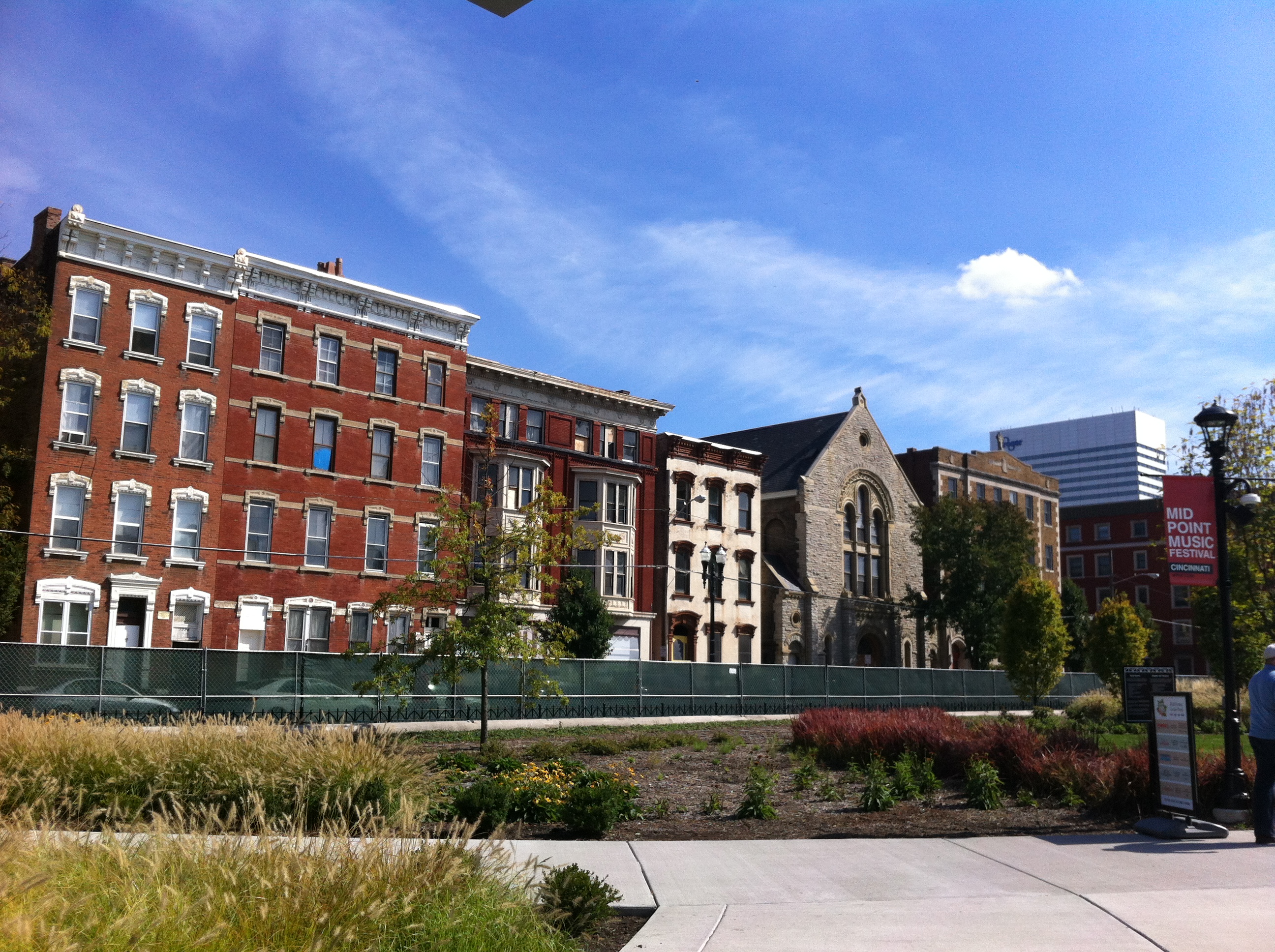
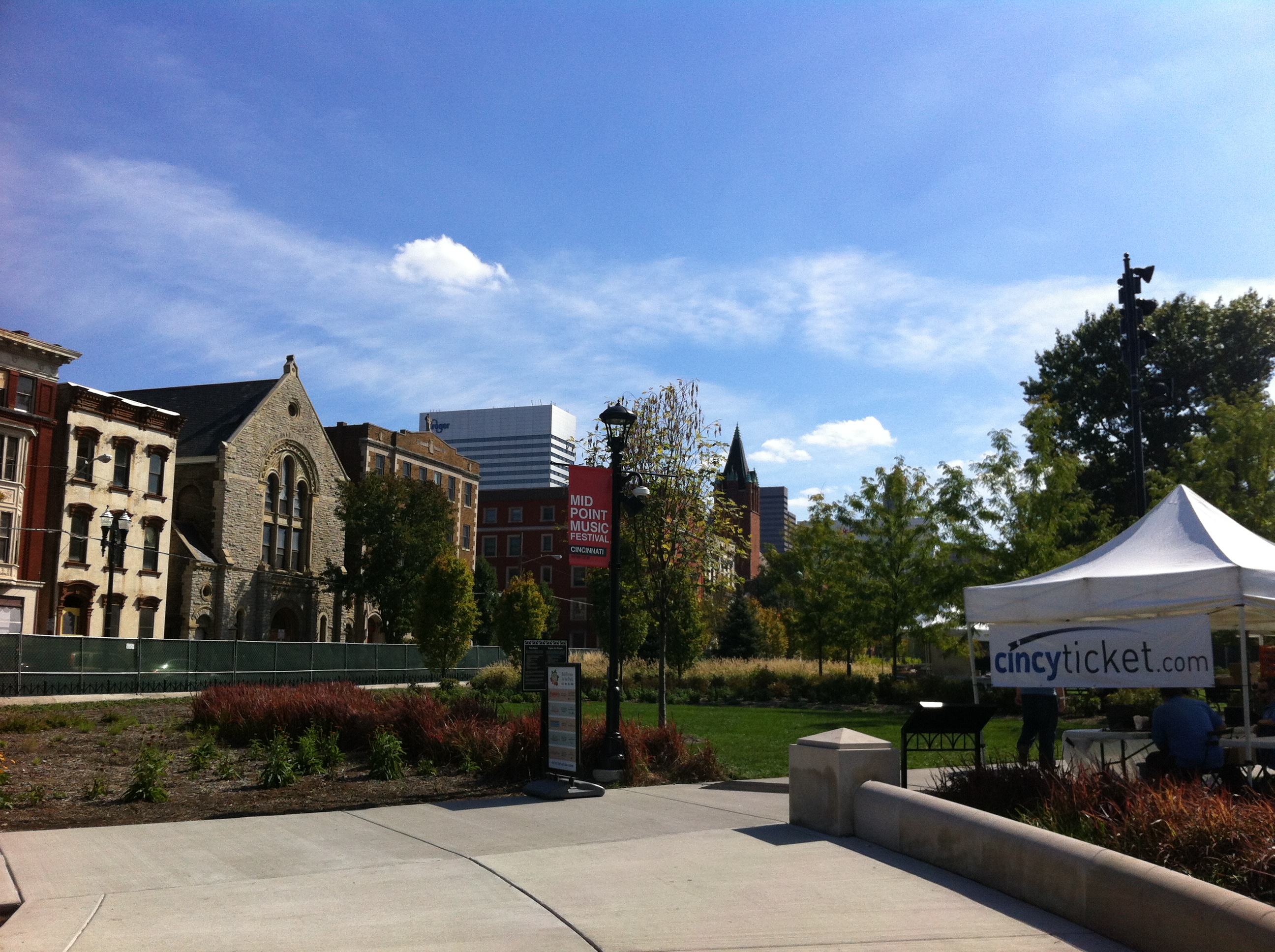
Lovely Over-the-Rhine neighborhood in Cincinnati, the largest collection of Italianate buildings in the US.

Lovely Over-the-Rhine neighborhood in Cincinnati, the largest collection of Italianate buildings in the US.

Belgian brunch restaurant in O-t-R neighborhood, close to the Findlay Market.

brunch restaurant in Over-the-Rhine neighborhood, close to Findlay Market.

O-t-R
Seating at Findlay Market

Seating at Findlay Market

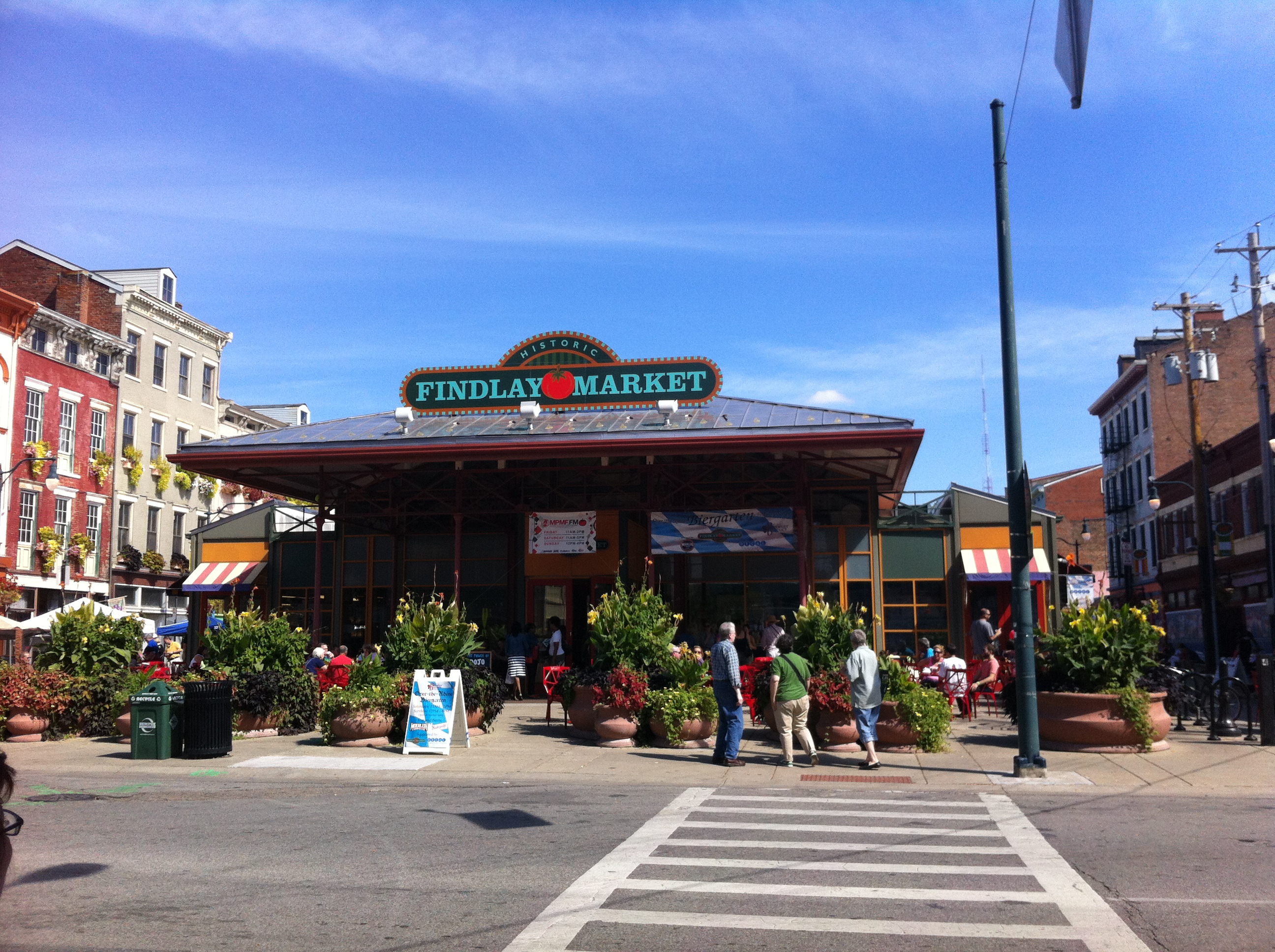
Welcome to Findlay, Ohio's oldest public market.

Welcome to Findlay, Ohio’s oldest public market.

Around the corner from the Findlay Market, Cincinnati's Public Market

Around the corner from the market


Mural at the Findlay Market

Mural at the Market